The Financial Disaster
It was the end of 2010, and I was 39 just about to turn 40 when financial disaster hit – hard. Believe it or not, even though it was 2 years after the global financial crisis started, that was when things caught up to me.
I was a real estate broker and investor in Dallas at the time, and although the rest of the world had already felt the crash, our real estate market hadn’t yet. Primarily it was because we hadn’t seen the extreme appreciation some other markets had, so there wasn’t that bubble-popping effect many other places were getting. The economy in Texas had remained surprisingly strong, despite what was going on elsewhere, and so we (me, my colleagues, and other peers in the industry) falsely assumed we were going to be immune from the same collapse.
We were wrong. It just took longer to get to us. Because even though we didn’t get the crash when the rest of the world did, eventually the banks couldn’t lend anymore, even in our reasonably stable market, because they had exposure elsewhere in places that were devastating their balance sheets. And once the lending stopped, the music stopped. We were toast.
In the course of a few days, my phone started ringing off the hook. Lenders were calling, panicked, and needing their cash back immediately. They were getting pressure from executives higher up, afraid that we wouldn’t have a market to sell the properties to that we were renovating, so they called their notes. Something near 2 million dollars, due on demand.
I couldn’t write that check, or maybe I should say if I did – it’d bounce. I pleaded my case. “Just let us finish”. We could always put a tenant in the homes and sell them to an investor if there wasn’t a buyer available. No dice. Investors were gobbling up distressed (call them cheap) homes, so they weren’t going to pay market rate for ours. And even if we took major discounts, we were still so far upside down into negative equity, we couldn’t cover the loss.
The demand to be paid back became increasingly aggressive with each passing day as their fears intensified. I tried everything: finding new investor partnerships, raising capital, selling off the best assets at discounts to try and stay afloat, negotiating workouts with the lenders, loan modifications – you name it. But it wasn’t enough. Most of them just wanted to foreclose and take the assets back or take a “deed in lieu” which means I give them the keys and they don’t foreclose, but I’m out. Every bit of cash we’d invested. All the time. The energy. Evaporated.
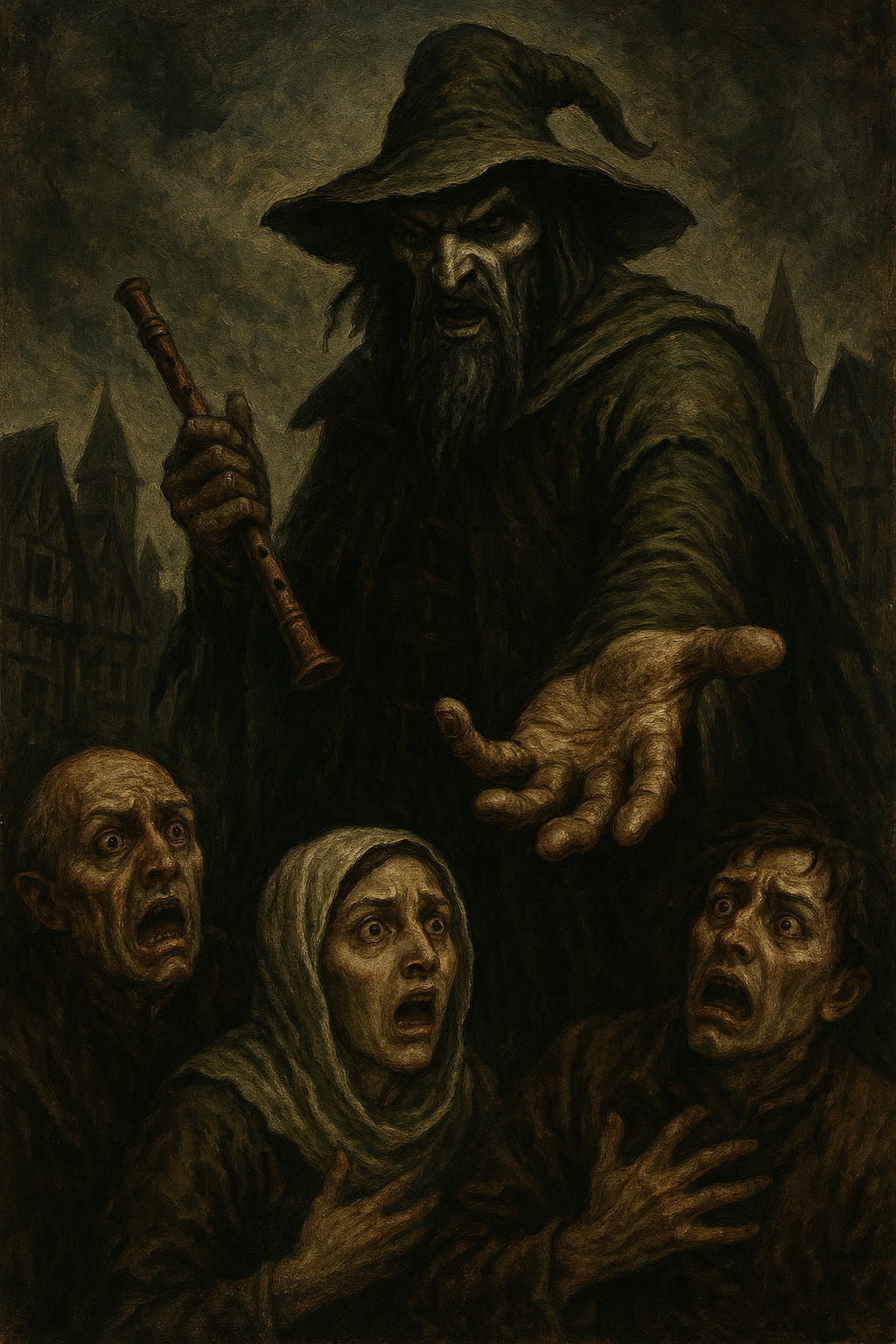
Mistakes were made. That foolhardy sense of immunity from the rest of the world’s problem quickly changed to “Oops, I misjudged this.” That underlying “my lenders trust me, and know I’ve always performed in the past” disappeared fast. I’d gone all-in on my investments, because I truly believed we were “safe”. And we watched our net-worth go from what would have been considered very healthy for my age at that time, to negative numbers. All within a matter of days. The piper called, and he wanted to be paid – immediately (see the image on this post). My desire to work it out, to hang in there, my commitment to fulfilling my obligations – irrelevant.
The Catastrophic Illness
At the same time, whether a result of all the stress, or just a random coincidence, I got catastrophically ill. I’m not talking about a bad cough or a bout of food poisoning. I’m talking about losing the feeling in my extremities, wobbling and sometimes falling when I stood up, neuropathy, severe digestive issues, topped off with a good amount of pain. And boy, were there tests: neurologists, rheumatologists, pathologists, name a “gist” and I met with one or more of them. All at a time when I had no idea how I’d ever pay for these tests and treatments because I’d lost every ounce of cash and credit we had.
The worst of it all, and probably the worst day of my life, came when the doctor – who was clearly confounded and running out of possible conclusions – told me he thought I may have a terminal illness. He named it. I won’t. It frankly hurts too much to even say it here in writing. I left that appointment, went to my car and bawled. I believed the ultimate conclusion to this saga may end in my death, and that is a lot to process.
Now, years later, I honestly have guilt talking about it, because it wasn’t the end for me. And thankfully that doctor’s speculation was wrong. But for so many other people, it isn’t. And although I felt that same feeling they feel when he said it, it only lasted a short while. Because soon after, the neurologist figured out what the problem may be, and offered a treatment plan and a path forward. It was what I needed. A ray of hope.
I still remember that man and his nurse. They saw me that week that the doctor had dropped those heavy words on me. I was sitting on the exam table, broken. I just stared at the floor, trying not to let the tears loose. They knew what I was feeling, and they cared. They both stepped close to me, one on each side. The nurse took my hand in hers. The doctor said, “This is not the end. We are going to figure this out, and you are going to get better.”
It was what I needed, and it had nothing to do with the actual medical diagnosis. I’m not even sure he really believed it himself. But I think he knew that if I lost all hope, there would be no path forward.
In my next post, I’ll tell you about my “moment of clarity” and the pivotal moment that launched the comeback. And if you’re experiencing something like this in your own life right now, tell me your story. I want to support you.
What an intense imperfect storm! I’m glad you were able to keep going and thankful for that doctor and nurse team. It amazes me how the right words at the right time can make such a huge difference.