Why I’m Telling You This (And Why Most People Won’t)
Trust me when I tell you, I’ve made some of the biggest financial mistakes possible. I’d like to help anyone I can avoid following the same path. And if you’re already on that same path, maybe I can help you get onto a better one. The reason why I’m telling you this, and why most people won’t is this:
Most financial content is created by people who stand to benefit by you trusting them with your money. Financial brokerages like Schwab, Vanguard, Fidelity and many others, need you to feel behind. They only grow if the asset pool grows, which means it either has to do that organically in the market, or they need new contributors or ongoing contributions from existing clients. The more money you invest, the more money they make.
Financial advisors need you to be overwhelmed, confused, and fearful. They need you to feel like you have to have help because it’s all just so complicated. (Spoiler alert: it isn’t.) They need to be needed, or their jobs go away. (More on that later, because AI is probably going to solve that problem anyway.)
Then there are all the other financial institutions that want a piece of your pie. Banks need you to keep your money with them. (Don’t worry, I’m not going to tell you not to.) Whole and universal life insurance agents want you to think their investments are “safe”. Annuities promise lifetime income (there’s a price for that). And more.
Consider the Source
So whenever you’re consuming financial information or content, consider the source. Do they stand to gain by somehow taking something from you?
But beyond all the people and services trying to provide advice that coerces you into doing something that benefits them, there are people like me. People who ate a bag of sh*t, and learned from it. I want to help you reinvent yourself and create the life you want to live, and money and finances are just one part of that. Learn from the biggest financial mistakes I made, and also listen to how I fixed all those issues. Then take what’s useful and leave the rest.
The First of the Biggest Financial Mistakes I Made: Using Debt Like It Was Free Money
Whether you’re a real estate investor like I was, or are just using debt for day-to-day things like cars, houses, and credit card purchases here’s something very few people will tell you: Debt is dangerous.
Yes, it can be useful, and I’m well aware that big ticket items like cars and houses are very difficult to pay cash for. Or at least they are until you get your finances right. But you have to be careful how you handle it. Here are two examples of home purchases where I got it wrong, and got it right.
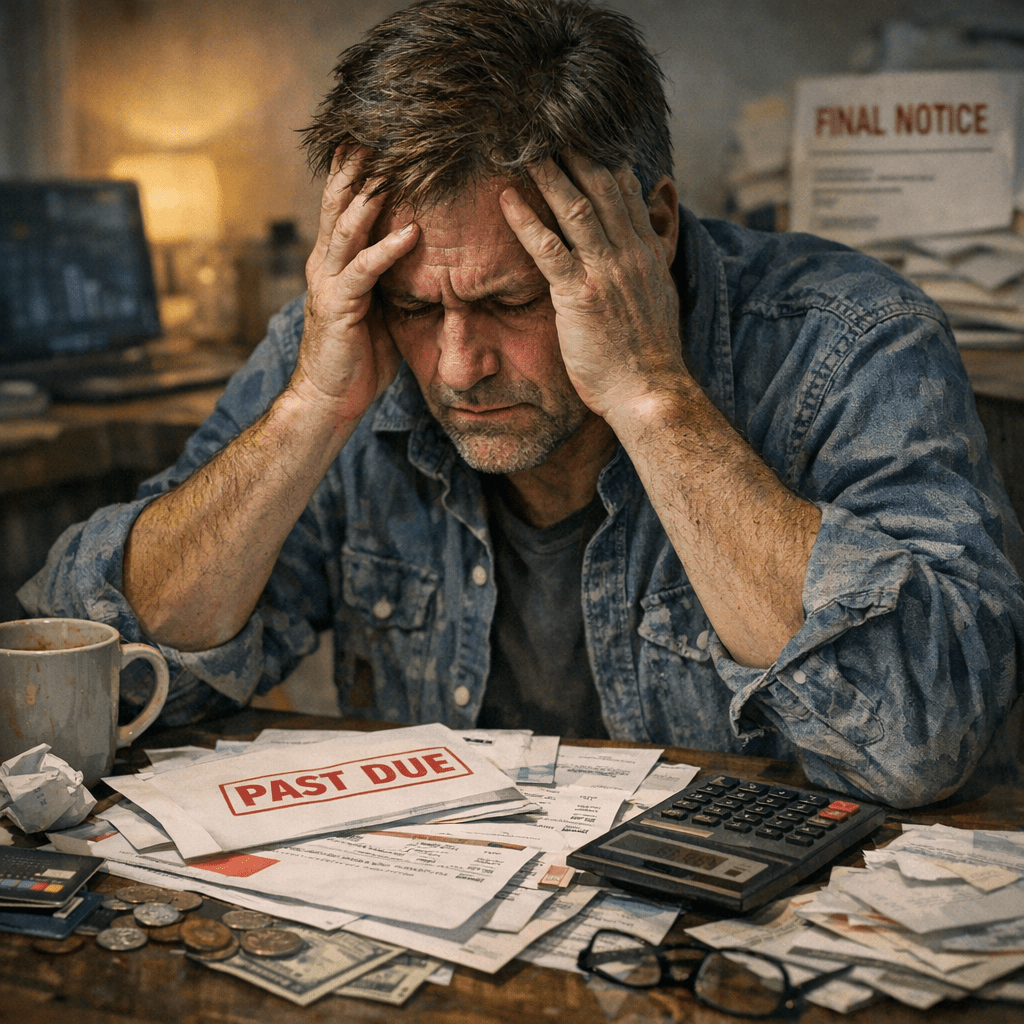
Between 2004 and 2010 I flipped a bunch of houses. I think it was around 138, not counting any portfolio sales (which contained dozens of houses at once). As we all know, in 2008 we had a major housing crash due to the global financial crisis. I was in DFW at the time, and if you read my other post about How I Hit Rock Bottom Twice then you know I thought I was immune.
Dallas hadn’t had the crazy run up on house prices at that time, so we didn’t have a huge drop when things got rough. So I kept going. Kept borrowing. And then in 2010, it hit the brick wall. The crisis had hurt enough people’s jobs and enough banking institutions, that no matter how qualified you were, or how low the price of the home was, banks couldn’t fund it.
This created the catastrophe for me, because they all wanted their money back – fast. I won’t rehash it here, but I was doing so well as an investor for so long, I was cocky when the GFC (global financial crisis) hit. But I should have gotten cautious, and instead I got bullish. I borrowed more, tried to gobble up more houses while others were leaving the industry. When the banks called their notes (asked for their money back), I was screwed.
Real estate gurus preach that “OPM” which stand for “other people’s money” is the best way to get rich. That may be true, if the sailing is consistently smooth. But when the water gets rough, you can find yourself in a mess of trouble.
For a while, when it was all starting to go down, and the banks had stopped funding draws for renovations on these properties, we fell back onto our credit cards. Talk about pouring kerosene on the fire! Now we had a problem with mortgage loans AND consumer credit cards. Dumb.
But people make a lot of other more common mistakes with debt. They buy too much house because their mortgage broker tells them they can stretch to get that “dream home” which eventually becomes a nightmare when the value dips or the payments get difficult to make because of a job loss or illness.
And don’t get me started about consumer credit cards. People buy clothing, electronics, and other stuff they don’t need with their credit cards. They end up paying more for the item because of interest. Meanwhile, the item is losing value every day it ages.
The Second of the Biggest Financial Mistakes: No Safety Net, No Plan B
I was playing all offense and no defense. I thought the good times would roll forever. Until they didn’t. And when the music stopped in 2010, I didn’t have a plan in place to stop the bleeding. No backstop, no reserve, no hope.
So aside from being overly bullish when the market turned, and not getting cautious when I should have, I also found myself like a trapeze artist without a net and who’s partner’s swing had already broken. I had nowhere to go, but down, and it was going to hurt. A lot.
The Third of the Biggest Financial Mistakes: Believing the Good Times Were Permanent
Psychologically, my sustained success beyond 2008 and into 2010 warped my risk calculus. I didn’t plan for any downturns. And it wasn’t because I was lazy or stupid. It was a mindset failure. The market, the economy, your health, your income — none of it is guaranteed. As they sometimes say, “hope for the best, but plan for the worst”. Life happens. It happened to me, and it may be happening to you right now.
Just in my lifetime I’ve seen the 2000 dot com bubble burst, the 2001 World Trade Center terrorist attack, the 2008 global financial crisis, and the 2020 Covid 19 global pandemic. All of these events wreaked major havoc on the economy, on jobs, on consumer confidence, and nobody really saw any of them coming (except for the guys in The Big Short movie/book about 2008).
You have to be prepared for when things like this happen.
What These Biggest Financial Mistakes Have in Common
Under the numbers, there’s a thread connecting all three: confidence without humility. I thought I knew better. And I believed we were doing so well there was no possible way it was going to end. I thought the money would keep flowing, and the debt would always be there to use when I needed it. Just a few simple tweaks, and we would have fared much better than we did.
What I’d Do Differently If I Were Starting Over
Since this financial disaster of 2010 affected me, I’ve changed a lot. But if I could go back and tell my younger self a few things to prevent it, here’s what I’d say:
One, be humble. Stuff happens. Hope for the best, but plan for the worst. Have a contingency for when things don’t go as planned.
Two, never bite off more than you can chew. Things going well? Great! Save your pennies for a rainy day, because it will rain someday. This isn’t just about saving, this about living within your means.
Years later, after we’d bounced back, we went to purchase a home. We had decided how much we were willing to spend, and knew that it was well within our means to sustain regardless of any financial storms that came our way.
When we reached out to the mortgage broker, they asked “Why so little? You’re qualified for many times that amount.” To which I responded, “I don’t care what I’m qualified for, or what the max possible is I can cover. I want it to be so do-able, that no matter what happens, we’re still good.”
That broker, as much as they were just doing them job and telling me what my options were, stood to gain by increasing the amount I spent, because they were compensated as a percentage of the total loan amount. Bigger loan, more money in their pocket. They don’t care if the payments keep me up at night. Or the interest ends up eating my long-term net worth by hundreds of thousands of dollars. They just want me to stretch the budget to the limit, so they can get paid.
By the way, because we kept it conservative and bought something nice enough, but not at our limit, we never stressed about the house, even when a major repair was needed or the economy took a dive.
Three, take responsibility. Even though all those financial companies want to give you advice, no one, and I mean no one, cares about your finances as much as you do. Never accept that someone else is looking out for your best interest. And definitely take it upon yourself to learn as much as you can about how money works, so that you can have the best financial future possible. Own your mistakes. Do your best to make good choices. When things go right, stay humble. And when they go wrong, be prepared the best you can.
If You’re Making These Biggest Financial Mistakes Right Now, Here’s the Good News
Here’s the deal, if you’re living this right now and making these financial mistakes or something similar, it’s OK. I don’t know if it will make you feel better, but you’re normal. Sadly, financial literacy isn’t a priority in our country. I attribute that to the fact that the government and corporations need you to just keep working. Earn more, so you can pay more taxes, spend more on consumer goods, so they can use your money to benefit themselves. The less you know, the easier you are to control. The more you know, the more you start to see through the game. And once you’ve seen it, you can’t unsee it.
If you’re struggling with money, educate yourself. If I can help, I will. Here’s the disclaimer though – “This is not financial advice, and is for informational purposes only” blah blah blah. I’m not a financial advisor, and I’m not paid to do this. I’m just a guy who did it wrong, and then got it right. If my experience can help you, you know where to find me. But it’s up to you to decide what’s right for you.